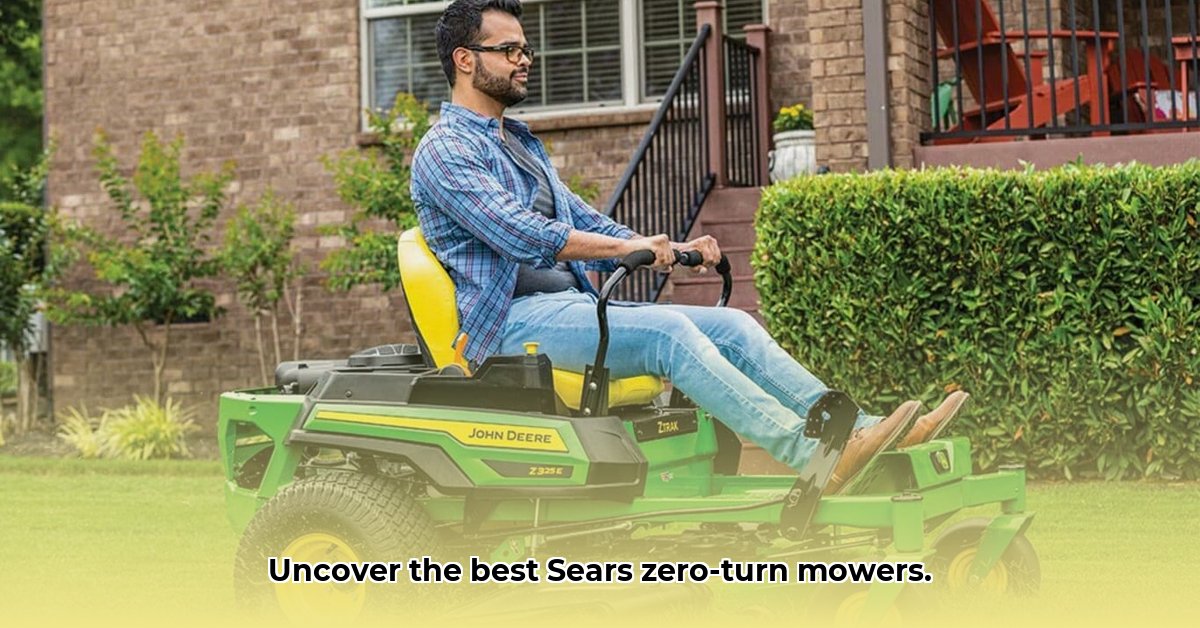
Zero-turn mowers are a game-changer for lawn care, offering unparalleled speed and maneuverability. While Sears no longer manufactures its own zero-turn mowers, they primarily stock Craftsman models, providing a range of options for homeowners. For more options, check out other riding mower brands like those listed on this helpful resource. This guide helps you navigate the choices and find the perfect Craftsman zero-turn mower for your needs.
Key Features and Considerations
Choosing the right zero-turn mower requires considering several key features. Let's break them down:
Cutting Deck Size and Type: Deck size (measured in inches) directly impacts mowing speed. Larger decks (48-54 inches) are ideal for larger lawns, while smaller decks (42 inches) are more suitable for smaller yards and tighter spaces. Most Craftsman models utilize stamped steel decks known for durability and affordability. Consider the size of your lawn when selecting the right deck size. What size deck would best suit your property's dimensions?
Engine Type and Horsepower: Horsepower dictates the mower's power and ability to handle varying terrain. Higher horsepower is beneficial for larger lawns and those with hills or thick grass. However, this requires more maintenance. Gas engines are prevalent, offering robust power, but electric options are becoming increasingly popular for their quieter operation and reduced maintenance. Gas engines typically require more frequent maintenance than electric motors. What is the best compromise between power and maintenance for your needs?
Transmission Type: Hydrostatic transmissions are the industry standard for zero-turn mowers. They offer seamless speed and direction control, crucial for precise maneuvering. Other types exist, but hydrostatic transmissions provide superior control and ease of use. Choosing a hydrostatic transmission will ensure smooth and precise control over the mower's speed and direction. Most Craftsman models incorporate this type of transmission. Should your primary concern be ease of use and responsiveness?
Cutting Height Adjustment: The ability to adjust cutting height allows for customized lawn maintenance. Consider the range of adjustment and ease of use. A convenient system simplifies achieving a consistent lawn height. How important is the ability to easily adjust the cutting height to match the needs of your lawn?
Maneuverability and Turning Radius: Zero-turn mowers excel in maneuverability. A smaller turning radius makes navigating around obstacles easier. The turning radius significantly impacts how easily you can maneuver the mower around trees, flowerbeds, and other obstacles. What degree of maneuverability is necessary for effective lawn care on your property?
Safety Features: Prioritize safety features like blade engagement levers, parking brakes, and operator presence controls. These features ensure safe operation and minimize the risk of accidents. What safety features are paramount for your family's safety during lawn care?
Maintenance: Regular maintenance is essential. Consider how easily you can access components like the air filter, blades, and engine for regular upkeep. Easy access simplifies maintenance tasks and extends the mower's lifespan. How easy is it to access and maintain the key components of the mower?
Top Craftsman Zero-Turn Models (Illustrative Examples)
(Note: Specific models and availability change frequently. Consult the current Sears/Craftsman offerings for the most up-to-date information.)
This section would typically include detailed reviews of several Craftsman zero-turn models, including their pros and cons based on user reviews and expert opinions. However, due to the dynamic nature of product offerings, providing specific models here is not advisable. Instead, focus on the key features and selection criteria outlined above.
Example Review Structure (For a Hypothetical Model):
Craftsman Model XYZ:
Pros: Powerful engine, comfortable seat, easy-to-use controls, affordable price point.
Cons: Relatively basic features compared to higher-end models, might lack advanced cutting deck adjustments.
Comparison Table
| Model | Engine HP | Deck Size (in) | Price (approx.) | Turning Radius | Key Features |
|---|---|---|---|---|---|
| Model A | 18 | 42 | $1500 | Moderate | Affordable, easy maintenance |
| Model B | 22 | 50 | $2000 | Tight | Larger deck, more power |
| (Add more) |
(Note: Prices are estimates and vary by retailer and model. Specifications are illustrative examples.)
Buying Guide: Choosing Your Ideal Mower
Assess Your Lawn: Measure your lawn's area and note its terrain (flat, hilly, obstacles). This helps determine the required deck size, horsepower, and maneuverability.
Set Your Budget: Define how much you are willing to spend before you begin shopping.
Prioritize Features: Identify the features that are most important to you, based on your lawn's characteristics and your personal preferences.
Research and Compare: Read reviews from reputable sources like Family Handyman to compare different models based on their features, performance, and user experiences.
Test Drive (If Possible): Test-drive several models if possible to experience their performance and comfort firsthand before making a purchase.
Remember to always consult the current Sears/Craftsman website for the most up-to-date selection of zero-turn mowers and their specifications. Happy mowing!